
Standard / Naked
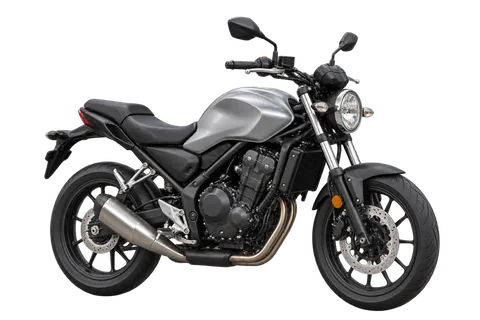
A neutral riding position suits everyday riding; a naked usually leaves its engine and frame visible, with little bodywork.
MotoCircleX reference guides
See what sets a naked bike, tourer, dual-sport or trials bike apart, and where those categories overlap.
Labels vary by manufacturer and market. A label does not determine where a particular motorcycle can be ridden.
Original AI illustration of a generic example, not a specific model.
A neutral riding position suits everyday riding; a naked usually leaves its engine and frame visible, with little bodywork.
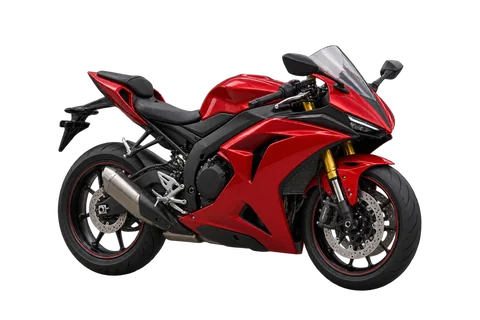
A road sport bike pairs aerodynamic bodywork with a forward stance; supersport usually pushes that stance and performance closer to the track.
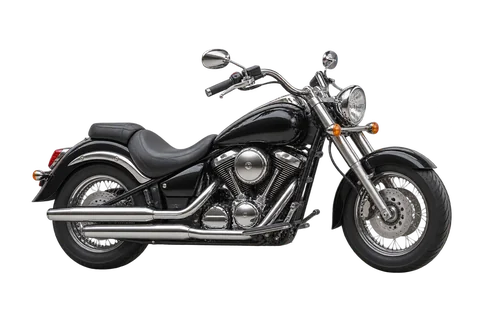
A low seat and stretched silhouette define the cruiser family; power cruisers keep the look with a stronger performance emphasis.
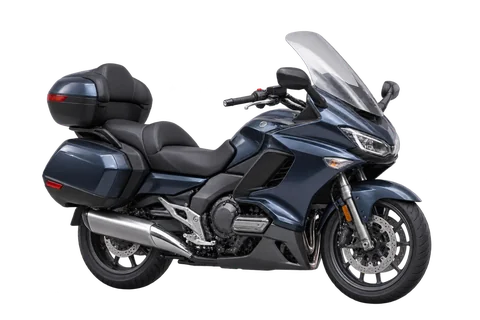
Touring bikes prioritize long days with wind protection and luggage; baggers often combine cruiser styling with hard side cases and no tall top case.
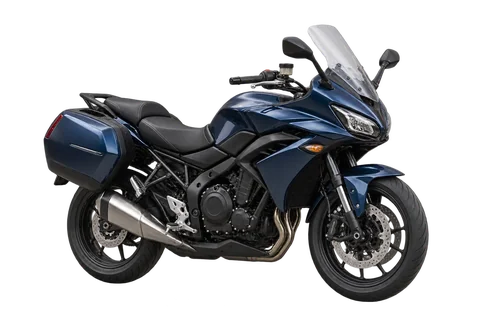
Road-focused handling plus a less tucked position, wind protection, and room for luggage; a bridge between sport and touring.
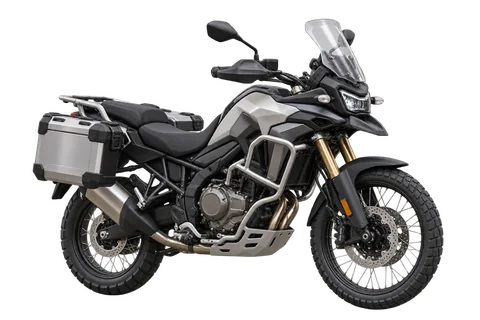
Upright ergonomics and touring options for long mixed-surface trips. Some are road-biased; the badge alone does not tell you what terrain the bike is suited for.
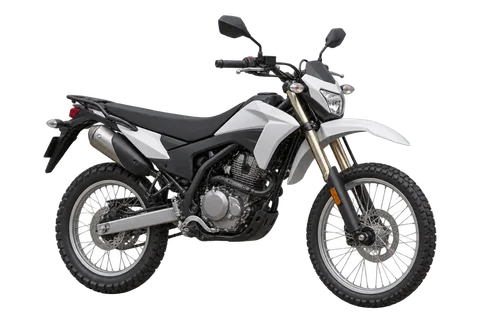
Typically a lighter, narrower road-and-dirt design with long-travel suspension; compared with many ADV bikes there’s less wind protection and luggage.
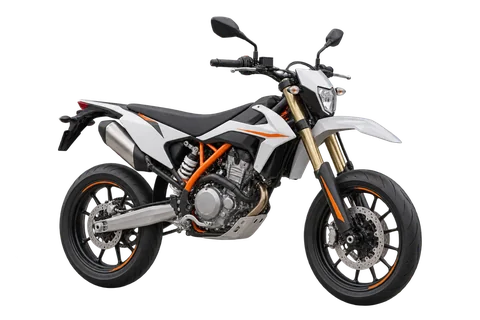
Dirt-bike-style geometry with road-oriented wheels, tires, and brakes. A road supermoto and a dedicated competition machine are not the same thing.
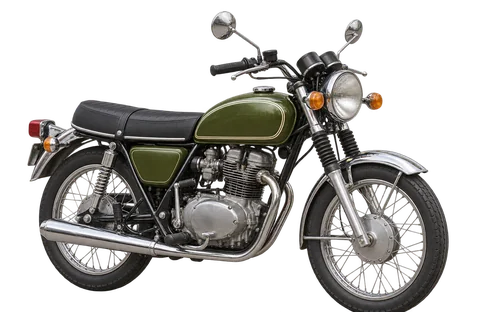
A classic is an older bike in the everyday sense; retro is a modern bike styled after earlier eras. Café racer, bobber and chopper are style labels that can overlap with other families.
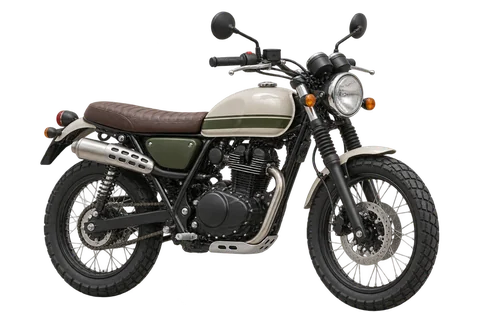
Vintage dirt-bike cues, often with a high exhaust or block-pattern tires. It may be a road bike first, not a replacement for an enduro.
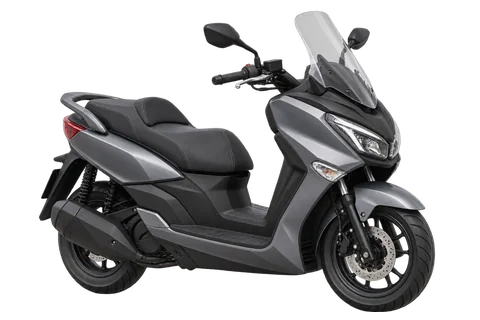
Feet typically rest on boards behind a leg shield; many scooters have automatic drive and storage. Maxi-scooters extend the concept with larger bodywork and wind protection.
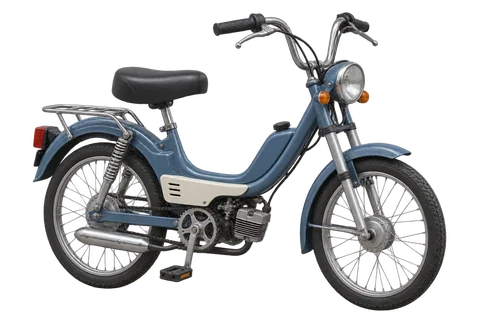
These are not synonyms: moped is a term for a light motorized vehicle whose meaning varies by market; some historical designs have pedals. Underbone describes a motorcycle layout with a low central frame.
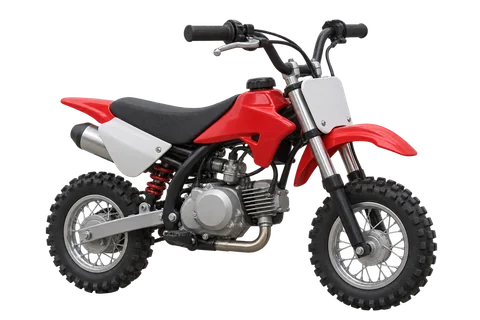
Compact road mini motorcycles and compact pit or training bikes may look similar, but size alone says nothing about intended use.
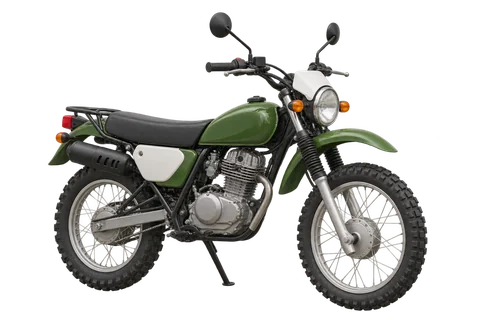
A recreational dirt-bike design made for manageable control and longer trail outings rather than motocross starts and jumps.
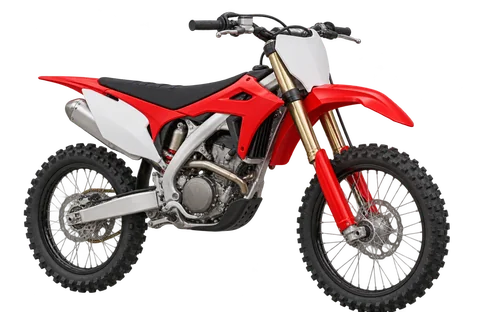
Motocross machines are designed for closed dirt circuits with berms and jumps. Supercross runs on compact artificial dirt courses; it is a discipline, not a separate road family.
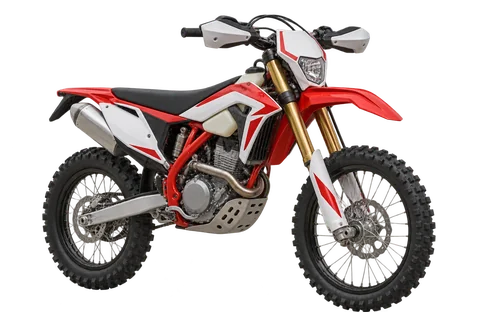
Enduro bikes are designed for longer or technical off-road stages; hard enduro emphasizes exceptionally difficult terrain.
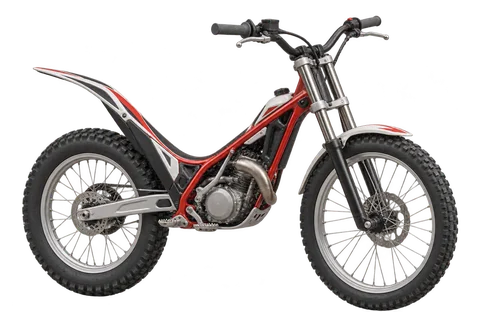
A very light motorcycle for low-speed balance and obstacle control, typically with almost no seat; the discipline is not a speed race.
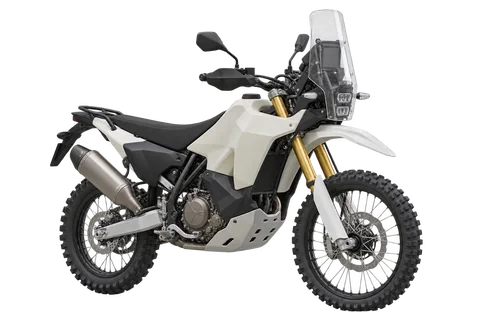
Long off-road competitive stages with navigation; a tall navigation tower and space for fuel distinguish many builds from trail or enduro bikes.
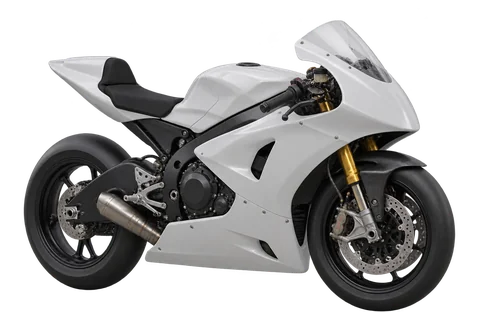
Dedicated circuit machines include production-derived race bikes and purpose-built prototypes; road supersport appearance alone does not make a bike a race machine.
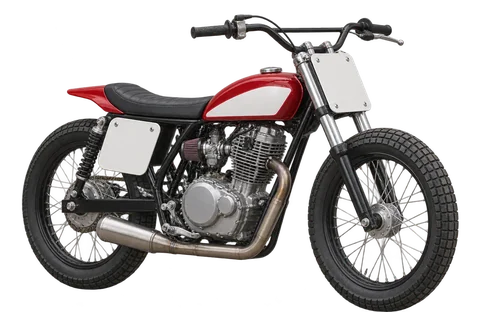
Flat track and speedway are different oval-track disciplines; drag bikes are set up for straight-line acceleration. Ice racing and endurance are further competition tags, not everyday bike families.
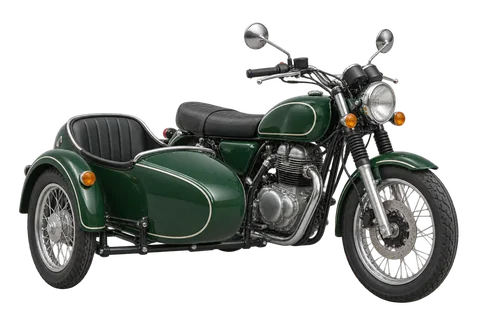
A trike can have two wheels front or rear; a sidecar mounts offset to a motorcycle. Tilting three-wheelers are another design, so do not generalize handling.
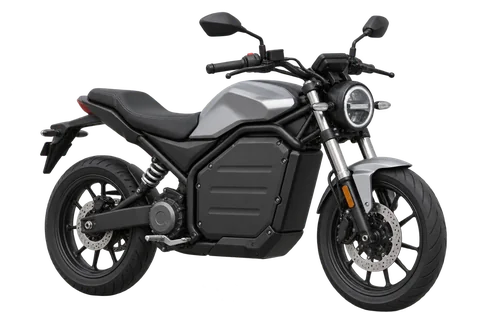
Propulsion is a separate label: an electric bike can be a scooter, road motorcycle, or off-road bike; weather, speed, load and charging access matter for trip planning.